Meeting Gwen

The first time I saw Gwen, I thought I was looking into a mirror. At a prettier version of myself.

She didn’t wear the glasses that I usually wear for nearsightedness. Her hair was longer and curlier than mine. And she had cute freckles on her nose.  I suppose I would have looked like her if I’d never written term papers on a computer or blow-dried my hair, and had spend my childhood riding horses and running around in the forest instead of going to school.

She was sitting at the table. When we came in, she rose and said, “I made soup and some sandwiches.” She looked at me as intently as I was looking at her.

“Gwen, this is Thea Graves,” said the Lady of the Lake. “Thea, Guinevere of Cameliard.”

Gwen looked at the Lady of the Lake and said, “Is it safe?”

“I don’t see any time ruptures, do you?” said the Lady of the Lake, smiling.

“All right then,” said Gwen, smiling back. She came forward and kissed me on both cheeks. “Welcome, Thea. This is like meeting my twin sister, in a way.”

“I don’t understand,” I said. “Why do Gwen and I look so much alike? And why was everyone worried about a time rupture?” Although to be honest, even then I saw at least part of the truth. But what a strange truth it was.

“Because you’re me,” she said. She had a nicer smile than I did, I suppose because she was more used to smiling. She looked happier. Her voice was more interesting than mine, too, with an accent in it, one I’d never heard before. I was starting to get jealous. As soon as I had seen her, I had realized who she must be: that Gwen.

“Yes, that’s why we were worried,” said the Lady of the Lake. “You’re the same person, with the same soul, from two different times. But Emily thought it would be all right, here, in the Castle. And she was right.”

“Thank goodness,” said Hyacinth. “I was worried, you know. She seemed pretty sure, but still –”

“So, you’re me,” I said. Could I be jealous of myself from another time? It seemed like a contradiction, yet there it was. And she was dressed better than I was, too. She had on some sort of gauze shirt and a swingy brown skirt that swirled around when she moved. Even when she walked, she looked like she was dancing.

“Yes, she’s you,” said Morgan, coming through one of the doors. “Rather than repeating that again, can someone tell me what’s for lunch?” We were in a sort of hall, with hangings on the walls. It looked medieval, like almost everything else in the castle. There were iron candelabras, a round wooden table with chairs, a chest or two along the walls. Morgan looked exactly the same as the last time I’d seen her: long black hair, dark blue robe embroidered with stars. Like a younger version of Mother Night.

“I made cock-a-leekie soup and cheese sandwiches,” said Gwen. “Tell me what you think.”

We all sat down at the – suddenly I realized what it was. The hole in the center was a pretty good indication.

“This is the round table, isn’t it?” I said.

“It is,” said the Lady of the Lake. “Much smaller than it was at Arthur’s court, of course. It’s magical, as you might have expected. It grows to fit the company. We don’t need it to be large today, but it can fill a great hall.”

I was eating cock-a-leekie soup for the first time in my life on Arthur’s round table in the Castle in the Lake. I remembered when I had wished my life to be ordinary, and was very glad that at that moment it was anything but. The soup was good, and the cheese sandwich made me realize how hungry I had been. It was something sharp, like stilton, with chutney on it.

The Lady of the Lake and Morgan talked. Hyacinth joined in once in a while. They were talking about things I barely understood, places and times I’d never been, people I’d never met. Gwen and I sat across the table from each other, so we couldn’t carry on a conversation, but every once in a while I caught her looking at me as curiously as I was looking at her.

“All right, my dears,” said the Lady of the Lake when we were finished. “Morgan, Hyacinth, and I should discuss this situation. Gwen, why don’t you show Thea around the castle? As as long as you stay inside the castle itself, you shouldn’t explode.”

“Explode?” I said as Gwen rose and motioned for me to follow her.

“Yes, what did you think would cause a time rupture?” asked Morgan. “The two of you in the same place and time would cause an explosion in the timestream.”

“But we would explode,” I said.

“Yup,” said Gwen. “Come on, I’ll show you around and we’ll try not to. Explode, I mean.”

I looked at the Lady of the Lake, Morgan, and Hyacinth in earnest discussion around the round table, then followed Gwen from the room. I suppose the possibility of exploding is one of the prices I pay for not living an ordinary life.

Posted in Uncategorized | 2 Comments

The Castle in the Lake

The strangest thing about the Castle in the Lake is watching it rise out of the lake, water streaming from its battlements.

Hyacinth and I were standing by the side of the lake. We had gotten there the same way I seemed to get anywhere when I was traveling with Mrs. Moth or Miss Gray or Hyacinth: we would walk through a door and suddenly we would be someplace other than where I had seen through that door. Once, I asked Miss Gray how it worked.

“Every threshold is every other threshold,” she said, which explained nothing.

Hyacinth had come up to my room and said, “Thea, you might want to bring a jacket.”

I had said, “You mean Miss Gray says it’s all right for me to go?”

“Yes,” she had said. “She did some research, and she’s almost certain it will not rupture time.”

“Almost certain?” I had said. But I had pulled on my jacket.

We had gone to the kitchen door, opened it, and walked through. To the lake shore.

It looked rather like one of those lakes in Switzerland, large and blue, surrounded by hills covered with pine trees and then mountains capped in snow. It looked like a picture on a postcard.

Hyacinth took out her phone. “I’m just going to let her know we’re here.” She dialed, and I could hear a series of chimes on the other end. “Vivian? We’re here. Can you let us in?”

That was when the castle rose from the lake. As it rose, water streaming and throwing off rainbows in every direction, a drawbridge extended itself to the shore. When the castle had risen fully, the drawbridge touched the shore directly in front of us, lying on the grass by our feet.

We walked across. Once, I looked down and saw a large serpent swimming in the lake beneath us. It looked like a dragon without wings.

Under the portcullis, a woman was waiting. She had long white hair in a braid down her back, and she was dressed in a smock covered with splotches of paint and  faded jeans.

“Hyacinth!” she said. “I haven’t seen you in ages.” She took Hyacinth’s face in her hands and kissed her on both cheeks. Then she said, “Thea, it’s very nice to meet you. Come in, I’ll just finish up and then we’ll have some lunch.”

We followed her through the courtyard, into a doorway and up a flight of stairs. The castle was made of gray stone and looked as though it must have been standing for a thousand years. Unless we were a thousand years ago? You never knew, when you traveled with someone like Hyacinth.

At the top of the tower was a room filled with light, coming through large windows. In it were an easel, a table with paints scattered over it, brushes in jars. There were paintings leaning against the wall, most of them turned toward the wall but I saw one of the Castle in the Lake. I don’t know all that much about art, but I could tell it was good.  I mean, it looked real without looking too real, you know?

The painting on the easel was of a man in a tree. Him, of course. Eyes closed, pale as death.

The Lady of the Lake picked up a brush she must have put down before letting us in. She added some touches of brownish black to the leaves, creating shadows. While we waited, I wandered around. Out the windows, I could see the hills and mountains, and below us the lake. I wondered what happened when the castle sank into it. Was the interior sealed by some sort of magic? I supposed it must be.

“All right, that does it for today,” said the Lady, putting her brush in a jar filled with some sort of clear fluid. “Let’s have some lunch. I think it’s time for Thea to meet Gwen.”

“Who’s Gwen?” I asked. But they were already going down the stairs ahead of me. One of the problems with people like Hyacinth and Miss Gray and the Lady of the Lake is that they only answer questions when they want to. I think it’s one of their most annoying traits.

Posted in Uncategorized | 1 Comment

The Conference

There was a tree growing out of the dining room table.

It was only an illusion, of course. An oak tree, its trunk thick with years. Its branches reached up to the sky, its roots were covered with moss. On its branches were both leaves and acorns. So wherever the tree was, it was autumn. It must have been a hundred years old, at least.

We could see through all those layers, to the man sleeping inside.

Seeing it there, in Mrs. Moth’s dining room, filled me with a sense of despair. It was so close that I could reach out and touch it, and yet what I touched would be – nothing at all, not the bark, not the bole, not the man. And even the illusion of it – you could feel how strong the magic must have been, that was keeping the strongest magician inside a tree. His own magic. Why?

“Thea, how did you learn he was trapped?” asked Mrs. Moth.

“I got a text message,” I said. “Here, let me find it.”

I went to Saved Messages on my cell phone. “Here.”

Thea: No idea how he did it, Merlin trapped himself inside a tree for a thousand years. Go figure. Any idea how to get him out? Morgan

There were text messages after that, most of them from Morgan. Most of them in the same tone. He was her brother, she was used to him getting into trouble of various sorts. Being put in prison in ancient Rome, guillotined in the French Revolution, that sort of thing.

“The problem,” said Mrs. Moth, “is that he’s disappeared entirely. As Hyacinth has told us, he’s not anywhere in the timeline. If the spell is supposed to last for a thousand years, we have no evidence that he ever comes out.”

“What could have made him trap himself in a tree like that?” I asked.

“Perhaps someone was threatening him,” said Miss Gray.

“The Merlin I know would have fought back,” I said. “He fights back even when he knows he’s going to lose. He’s just like that.” And he was. I’d seen some of his scars. The worst were from gladiatorial games, especially those involving bears. Or the sorts of contests that make magicians have to regenerate body parts.

“Maybe he was protecting someone,” said Hyacinth.

“Protecting them by trapping himself in a tree?” I asked.

She shrugged.

“I think we need more information,” said Mrs. Moth. “Hyacinth, where is Morgan now?”

“I think she’s at the Castle in the Lake,” said Hyacinth. “Do you want me to text her?”

“Yes, make sure she’s there,” said Mrs. Moth. “But I think you’d better talk to her in person. You know how she is. She’s going to say it’s just him, always getting into trouble. But if he’s gone, truly gone, we need to find him. We can’t just wait for him to get himself out.”

“Can I go with you?” I asked.

“Oh!” said Hyacinth. “To the Castle in the Lake? I don’t know.” She looked at Mrs. Moth and Miss Gray. “Can she?”

Miss Gray looked at me as though I were an interesting specimen in one of her magical botany classes. “Now that’s an interesting question. Can Thea go?”

“Why, is it difficult to get there?” I asked.

“That’s not the issue,” said Miss Gray. “Do you know what the Castle in the Lake is, Thea?”

“I’ve heard of it,” I said. “Isn’t that where the Lady of the Lake lives?”

“Not just the Lady of the Lake,” she replied. “I’ll have to think about this.” She looked at Mrs. Moth. “Give me time. I need to do some research.”

“Think about what? Time for what?” I asked. But they were already getting up, leaving the dining room.

“Just try not to think about it, Thea,” said Hyacinth before she too left. They all had things to do, no doubt. A universe to keep going. I was the only one for whom this was personal.

I couldn’t not think about it, of course. I thought about it all the time. But I needed to do something. So I got out the bicycle and rode into Shadow. I went to the public library and checked out some books that had nothing to do with magic or trees. Or love.

I rode back slowly, looking at all the shops: the baker’s, the antiques shop, the pub where some of the local farmers were already sitting and telling stories. And for a few minutes at least, I wished that my life could be ordinary.

Posted in Uncategorized | 3 Comments

In the Gardens

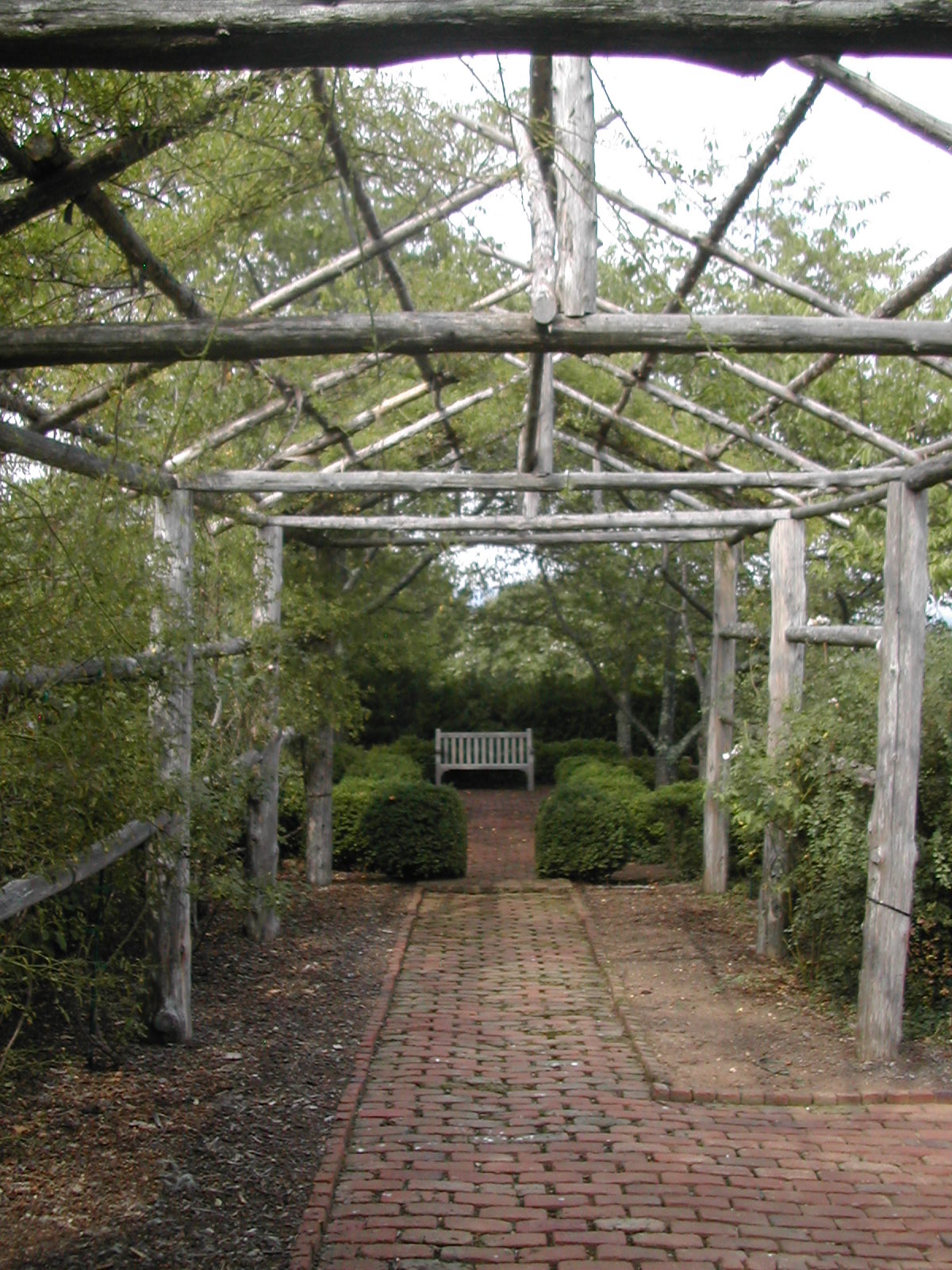
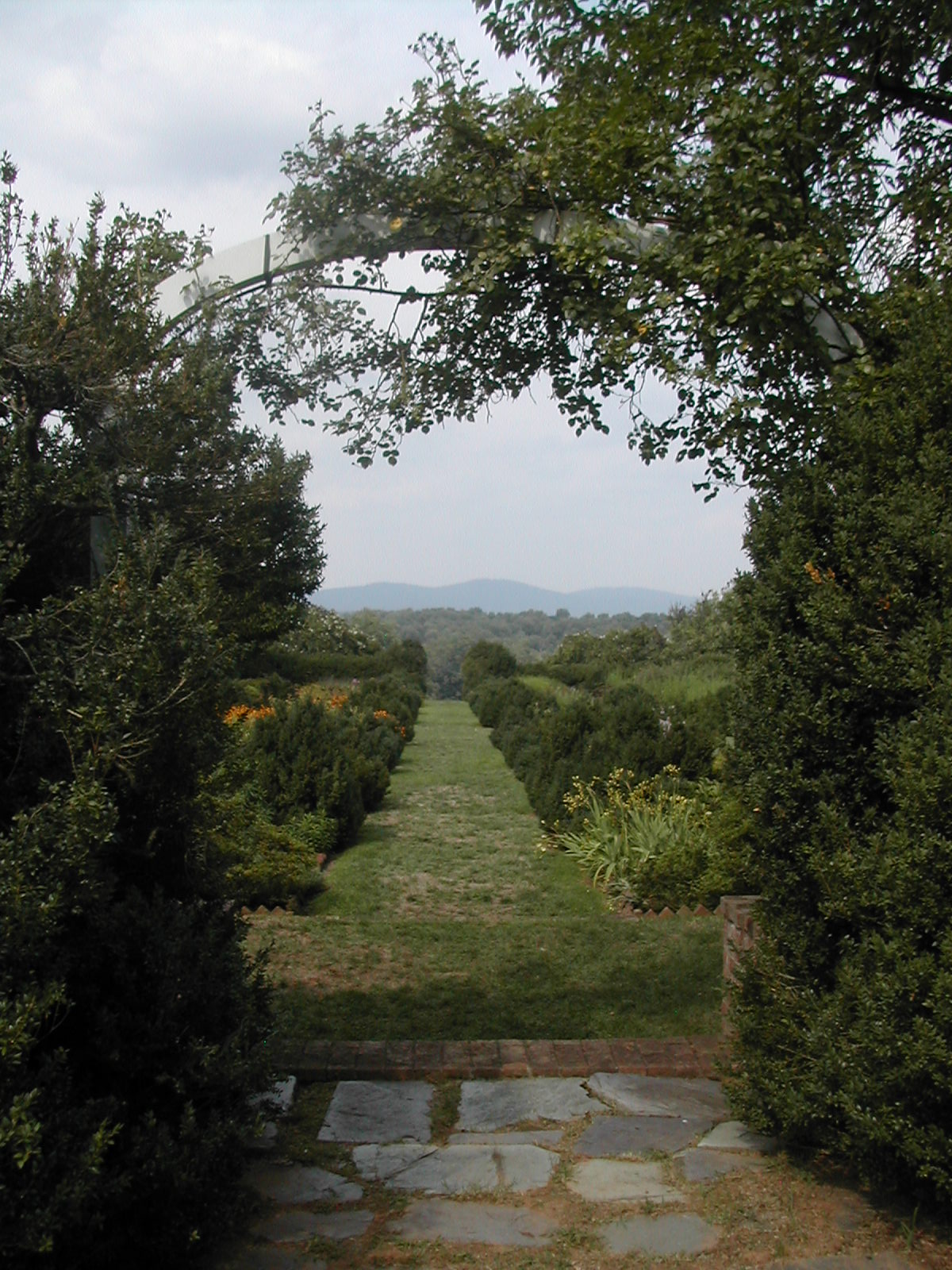
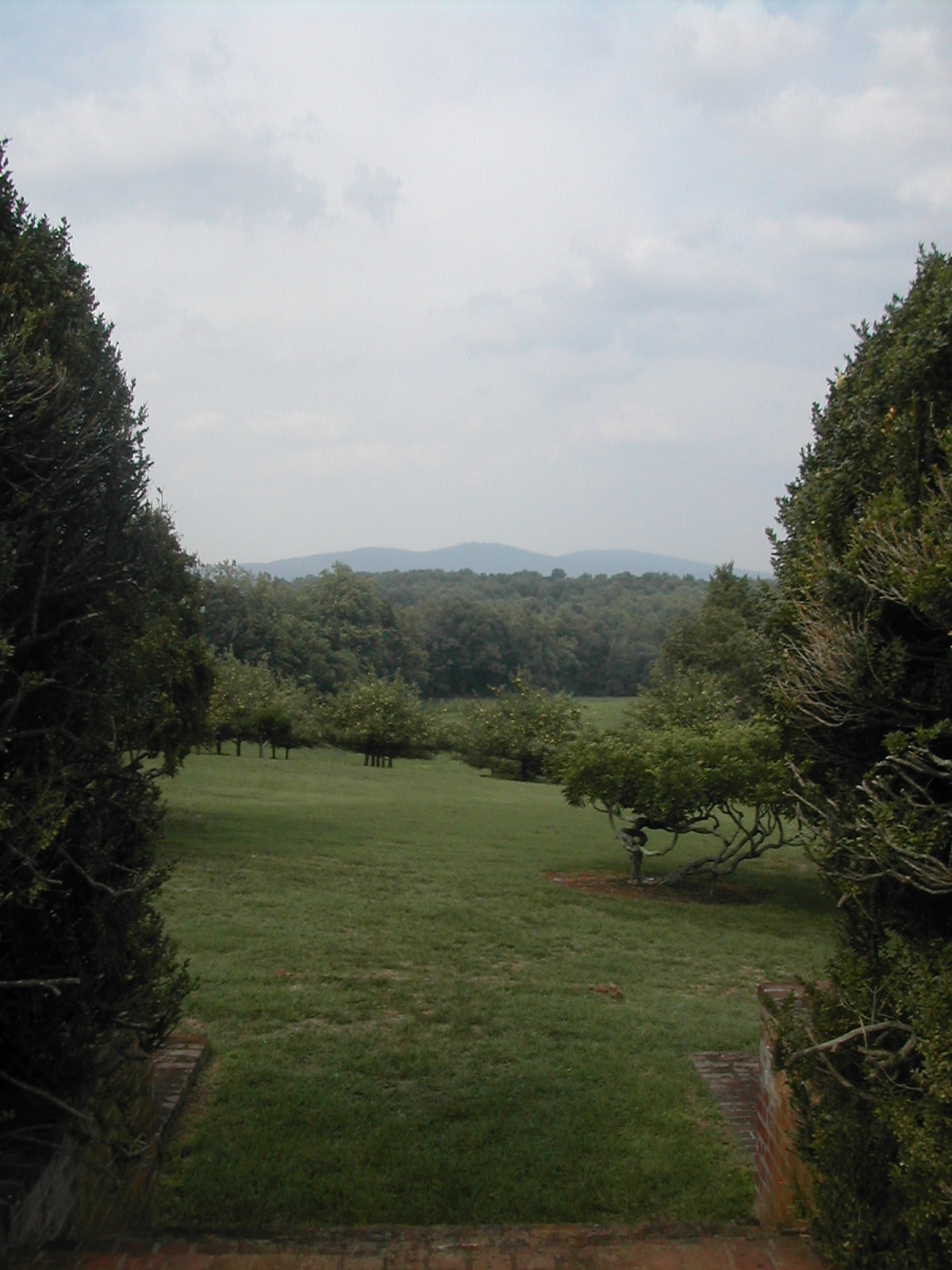
Surrounding Mrs. Moth’s house are gardens. A series of gardens, all different. When I walk among them, I sometimes forget which one leads into another. Or maybe they move around? I think they move around, sometimes. Just so as not to get bored.

I went out the kitchen door, turned left, and was immediately in the rose walk. In summer, the rose walk is covered with roses, wild ones, small and white. It’s like walking through stars. There were no roses now. (There are no roses in this picture either, but if you are clever, and I’m sure you are, you’ll see that I’m showing you photographs from my last trip to Mrs. Moth’s house, in autumn. Then, the roses had all fallen, their petals scattered like white rags on the ground, until they were washed away by the rains. Now, the walk was just a mass of canes beginning to bud.)

If you go down the walk and turn right, you will see the kitchen garden. Mrs. Moth grows all sorts of vegetables there. My favorite are the peas. Have you ever tried fresh peas? They taste nothing like the frozen ones, and even less like the dried ones. You can eat them right out of the pod. They are sweet, like candy. My second favorite are the tomatoes. How I miss real, ripe tomatoes, right off the vine, in Boston!

If you go to the end of the kitchen garden, you will come to a set of stairs between two hedges. I like stairs in gardens. They always make the gardens seem more mysterious.

Go down them, and you will come out in the orchard. In the orchard there are apple, pears, peaches, those old European plums that taste nothing like the ones we usually get in the grocery stores, cherries. The cherries are my favorite. In Boston they cost so much that I rarely eat them. Imagine having a cherry tree and picking your own, eating as many as you want! Hyacinth and I used to hang the double ones from our ears.

At the bottom of the stairs, you will see an alley, with a wall on one side and a hedge on the other.  Are you starting to get a sense of Mrs. Moth’s gardens?  Of how many there are, and how easy it is to get lost in them?

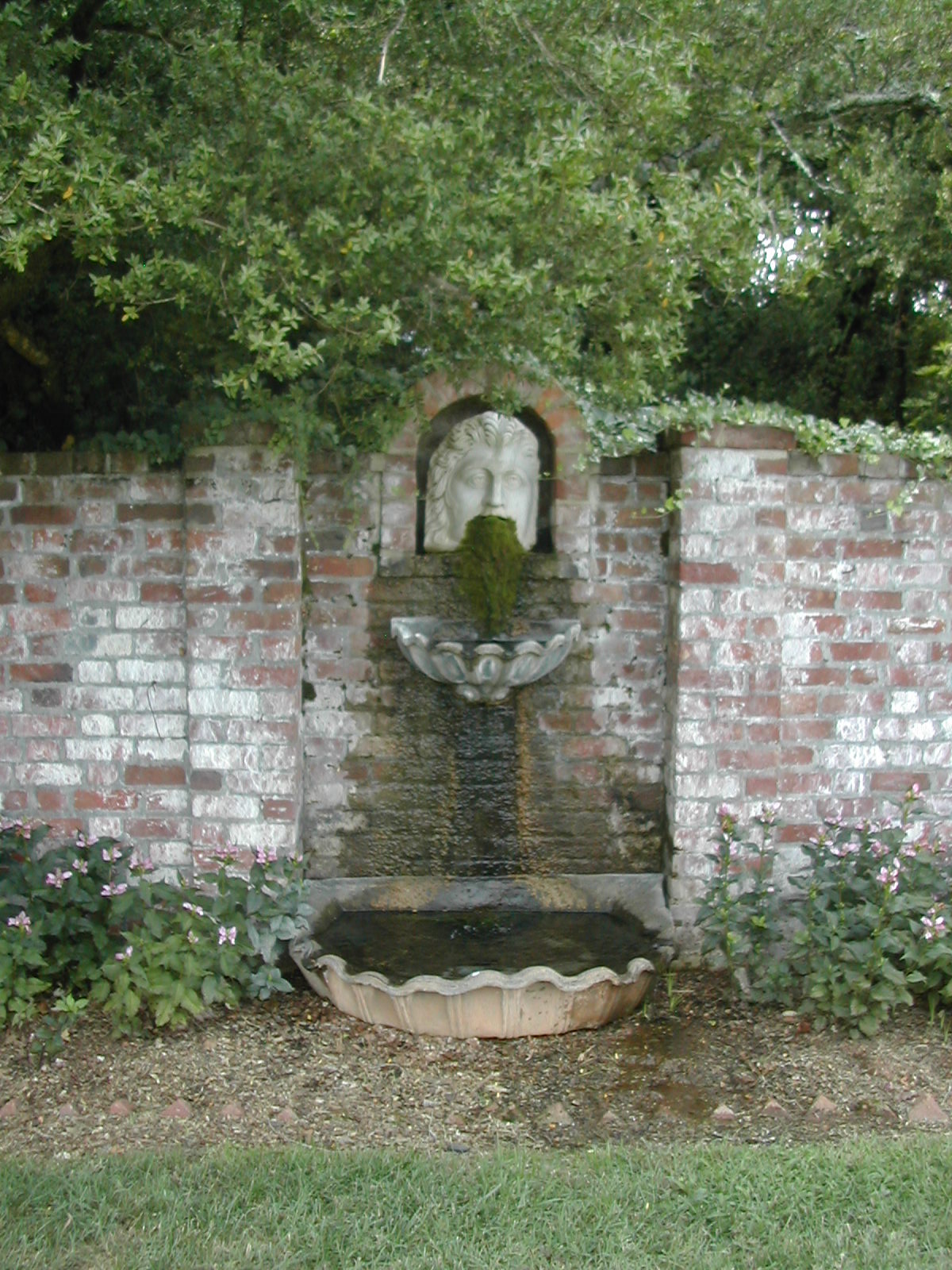
If you turn right and go to the end of the alley, you will come to the secret garden. Unless it’s moved, in which case go back and turn left. That may take you there. Or not. But here is the secret garden. It has two fountains. One of them has plants growing in it.

The other has the head of a satyr, with moss growing out of its mouth. It must have been growing for a long time.  Sometimes, to be honest, I don’t quite like looking at it.

But this post isn’t really about the gardens. The gardens are a way to avoid talking about loss and grief. Because as soon as I got out into the gardens, he was walking by my side: the ghost.

“It’s nice today, isn’t it?” he said. I was shivering, despite my sweater. I was very glad that Hyacinth had packed my winter clothes.

“Yes, it’s nice,” I said. I wasn’t in the mood to talk to a facsimile, just then.

“I know a riddle,” he said. “What has eyes but does not see? What has ears but does not hear? What has hands but cannot touch? What has a mouth, but cannot speak?”

“I have no idea,” I said. “What?”

“I don’t know,” he answered. “I was hoping you could tell me.”

If I’d been able to hit him, I would have. Sometimes I had felt that frustration with his original as well. Honestly, a man who disappears at a moment’s notice, even if it is to set the universe to rights. That’s frustrating, you know?

I had said that he’d never spoken to me as anything other than a friend, but that was not quite true. Once, I had received a letter – one of many letters, this time from the eleventh century, written with a quill pen on vellum. I had a whole collection of them: chiseled into stone, printed on a dot-matrix printer, etched into iridescent metal. At the end of this letter, after a description of the Battle of Hastings, he had written, “By the way, you may be my fate.” It had been followed by a smiley face, so I had paid it no attention. After all, he was – well, him. That may have been the sort of thing he said to, I don’t know, Marie Antoinette. Or Eleanor of Aquitaine. But I remembered one day we had been walking across the Common, after a visit to the Museum of Fine Arts, when he had said to me, “Anthony and Cleopatra were a mess. Still – what would it be like, to have one of the great loves?” Suddenly, I wondered what it would be like to have one of those. Messy, probably. Still –

Where had the ghost gone? While I had been lost in thought, he had disappeared. It was only then that I remembered his riddle: eyes that can’t see, ears that can’t hear, hands that can’t touch, a mouth that can’t speak. The man in the tree. Had he found a way to speak, after all? Was this some cryptic effort to communicate? I had no idea. Perhaps Mrs. Moth could tell me.

I looked around me, at the two fountains, the hedges that surrounded the secret garden and that had always made me feel so hidden, so protected there.  Not this time. I shivered, and not because of the cold.

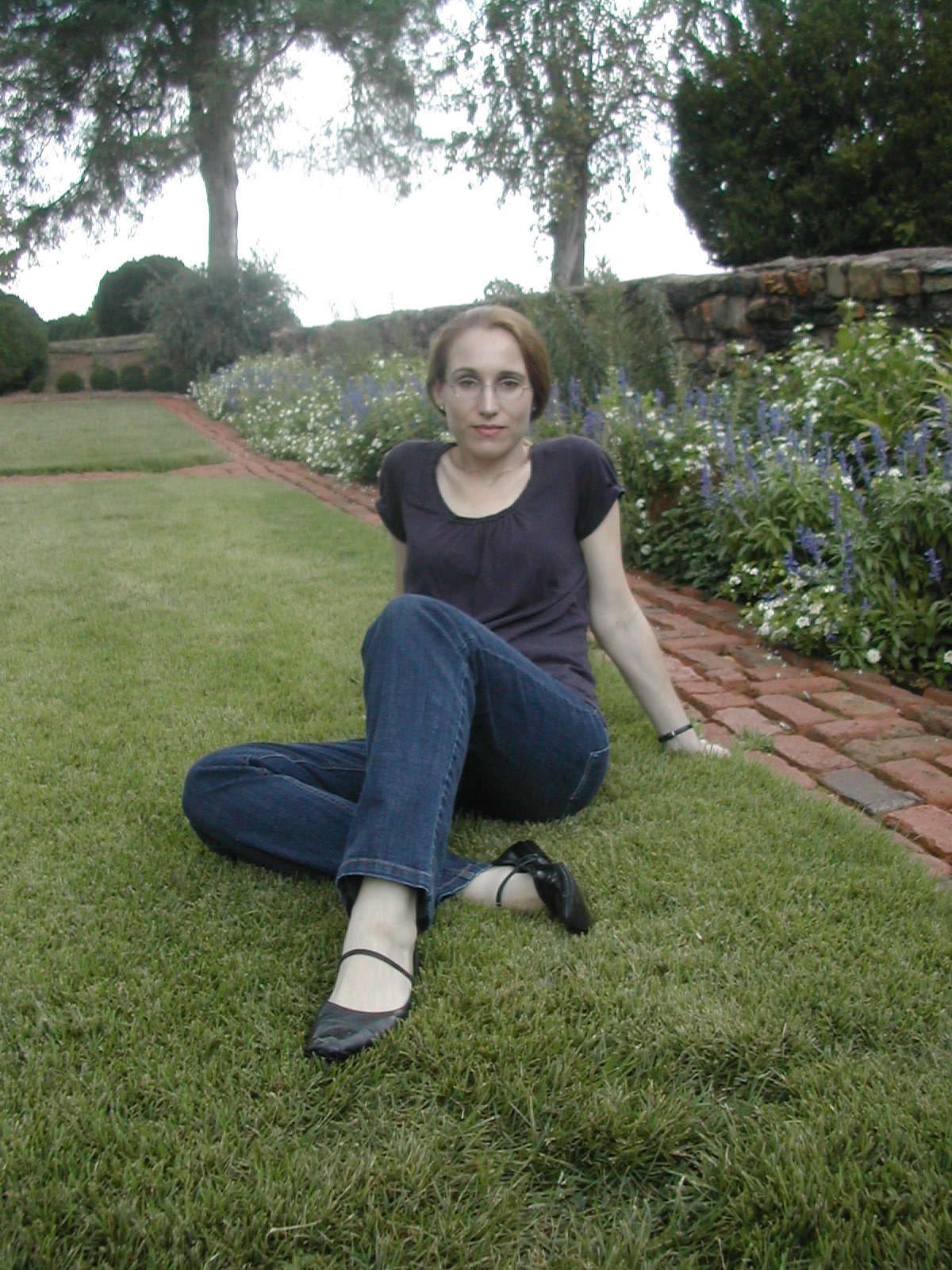
(Just in case you were wondering, here is the difference between Thea and Dora. The first photograph is of Thea, last autumn in one of Mrs. Moth’s gardens.

The second photograph is of Dora, in Virginia.

You see? They really are quite different. And what has Dora been doing all this time? She has been working on revising the third chapter, which is due at the end of this month. Despite a truly horrible, heartbreaking week. Sometimes I think her powers of concentration are superhuman.)

Posted in Uncategorized | 1 Comment

What Hyacinth Said

When I got back to Mrs. Moth’s house, it was almost dark. I had not meant to spend so long in town.

In the front hall, I saw my suitcases.

“We thought you might like your own clothes,” said Mrs. Moth.

“You look pretty funny in mine,” said Hyacinth. I gave her a long hug. Hyacinth is one of my favorite people. Although she’s not particularly easy to hug. She’s so slender that there isn’t much there to hold on to, and you’re always careful anyway because she seems so delicate.

“Where were you?” I asked her.

“Dinner in half an hour!” said Mrs. Moth, disappearing into the kitchen.

“I’ll help you with your suitcases,” said Hyacinth.

We walked up the stairs, me following her, both of us lugging suitcases.

“How long are you all expecting me to stay?” I asked.

“As long as it takes,” she said.

Up in the tower room, we sat on the four-poster bed, Hyacinth with her legs crossed and me leaning back against the pillows.

“I tried to find him,” she said. “I looked everywhere I could think of, in the timestream. Places where we knew he had been.”

“And?” It was as though my heart had stopped beating. As though I couldn’t breathe.

“He wasn’t there. He wasn’t anywhere. It’s as though he’s disappeared into that tree, every version of him.”

I didn’t know what to say. I had been hoping that if he really was the only one who could get himself out, there would be another one of him, somewhen. I could feel the tears welling up. It would be embarrassing to cry in front of Hyacinth, so cool and proper.

“Thea, tell me what happened,” she said. “You were the last to see him.”

“But I only saw him go,” I said. “We were having breakfast.” In my apartment in Boston, where he had come to visit me, for only the second time. What were we to each other? Friends, certainly. Beyond that? I did not know. He had not spoken to me as anything other than a friend, since that kiss in the Other Country. But there had been letters, long telephone calls, telling me about his adventures in other times. The telephone would ring and he would say, “Hello from the fourteenth century, Thea. It’s a good thing you’re not here. There’s a famine, and we’ve eaten all the horses.” Or “I’m hanging out with Marie Antoinette,” which I have to admit would make me jealous.

He had shown up the previous night, said “I’m taking you out for a burger. Do you know I haven’t had a burger for a hundred years?” and then fallen asleep on the sofa. I had sat watching him for a while: the pale, lean face, the green eyes closed, the mouth open. Snoring slightly.

“We were having breakfast and he got a text message. He said he had to go.”

“Sorry, Thea,” he had said. “I’ll be back before the coffee gets cold.” That was the advantage of time travel. It didn’t much matter how long anything took. You could be back almost before you had left.

“Did he say who it was?”

“No, he didn’t say.”

Hyacinth sat silent, with her hands clasped in front of her. “I don’t know, Thea. No one knows how he got himself into that tree, or why. What they do know is that he put himself there, and he’s the only one strong enough to get himself out. Except Mother Night, and you know she never interferes.”

“Not even for him? He’s her son.”

“Especially not for him.”

“Then I’ll never see him again,” I said. The sense of despair that filled me was – like nothing I had ever felt, like an enormous emptiness inside me. As though I had been hollowed out. I remembered the card Madame Violette had laid down: Night. Except that Night had been filled with stars, and there were no stars in me, only darkness.

“What will I do?” I lay back and looked up at the canopy, which was made of the same burgundy brocade as the curtains.

“I promise we’ll think of something,” she said. “I promise, Thea.” She put her hand on my leg, as though to reassure me. But it didn’t. “Listen, let’s go down to dinner, all right? We’ll talk about it, me and Mrs. Moth and Miss Gray. I’m sure we’ll think of something.”

At any other time, it would have been such a treat – being at Mrs. Moth’s house. After my cold apartment in Boston, being in a place with blazing fires, where breakfast appeared beside your bed each morning, where there were endless paths to walk along over hills, through fields. Even now, I was glad to have such a place to go. It felt more like home than any house I had ever lived in. But how I wished the circumstances could have been different.

“Dinner!” came the call from downstairs.

And so we went down, and I tried to pretend, as I had been pretending for the last week, that the world had not been turned completely upside down.

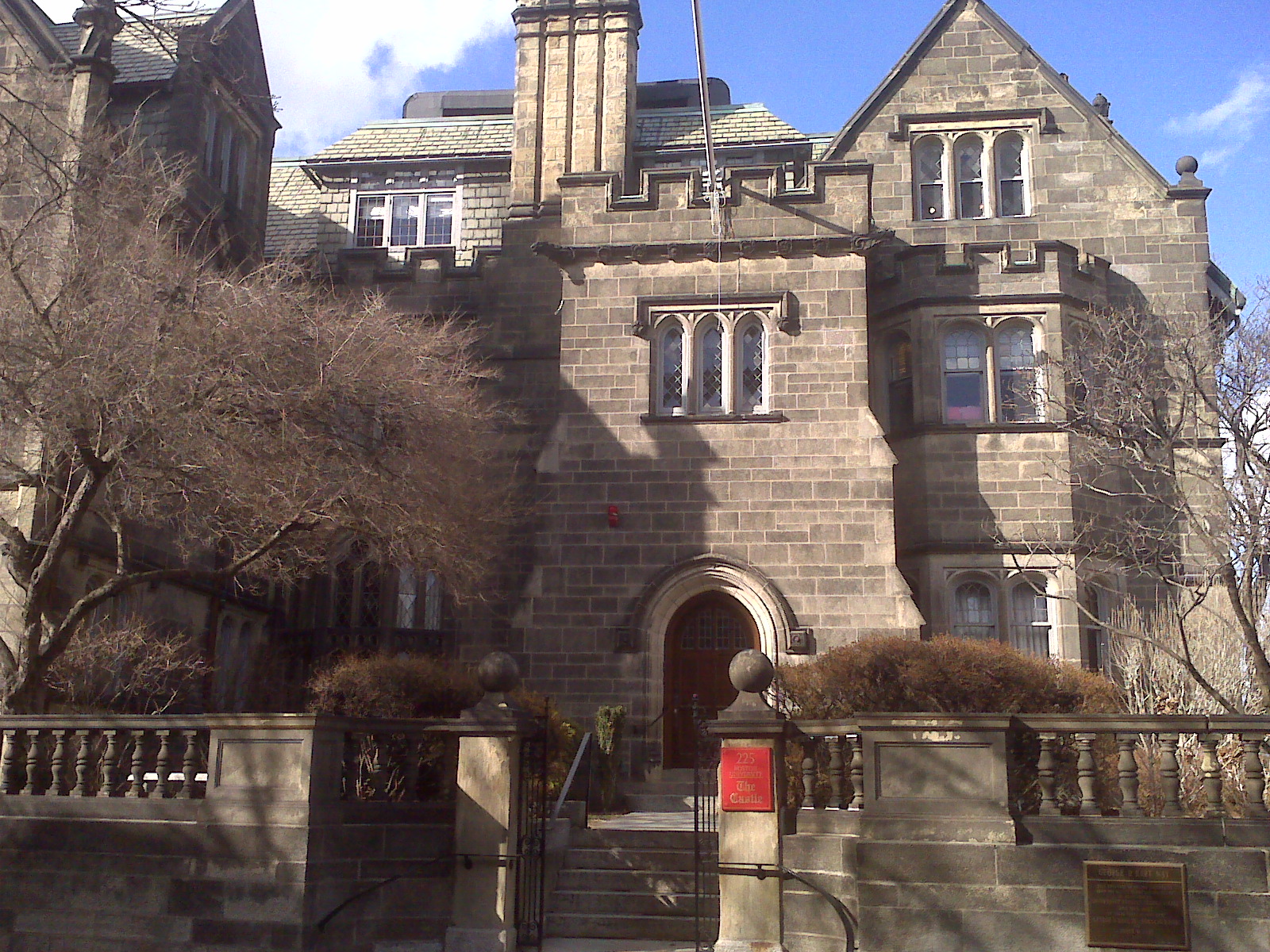
(For those of you who are curious about what Mrs. Moth’s house looks like, I’m including a photograph of a house that looks very much like it. Here it is:

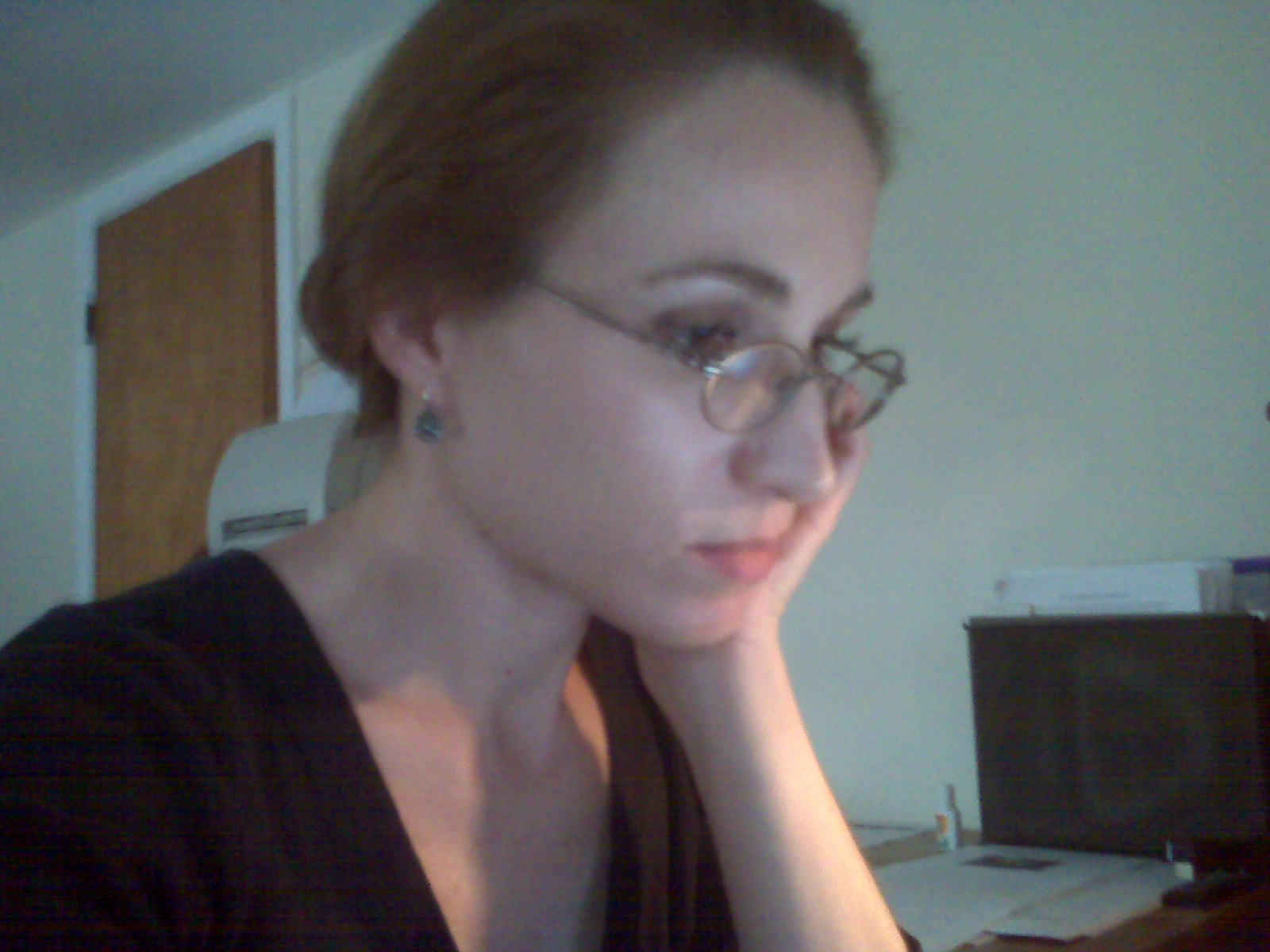
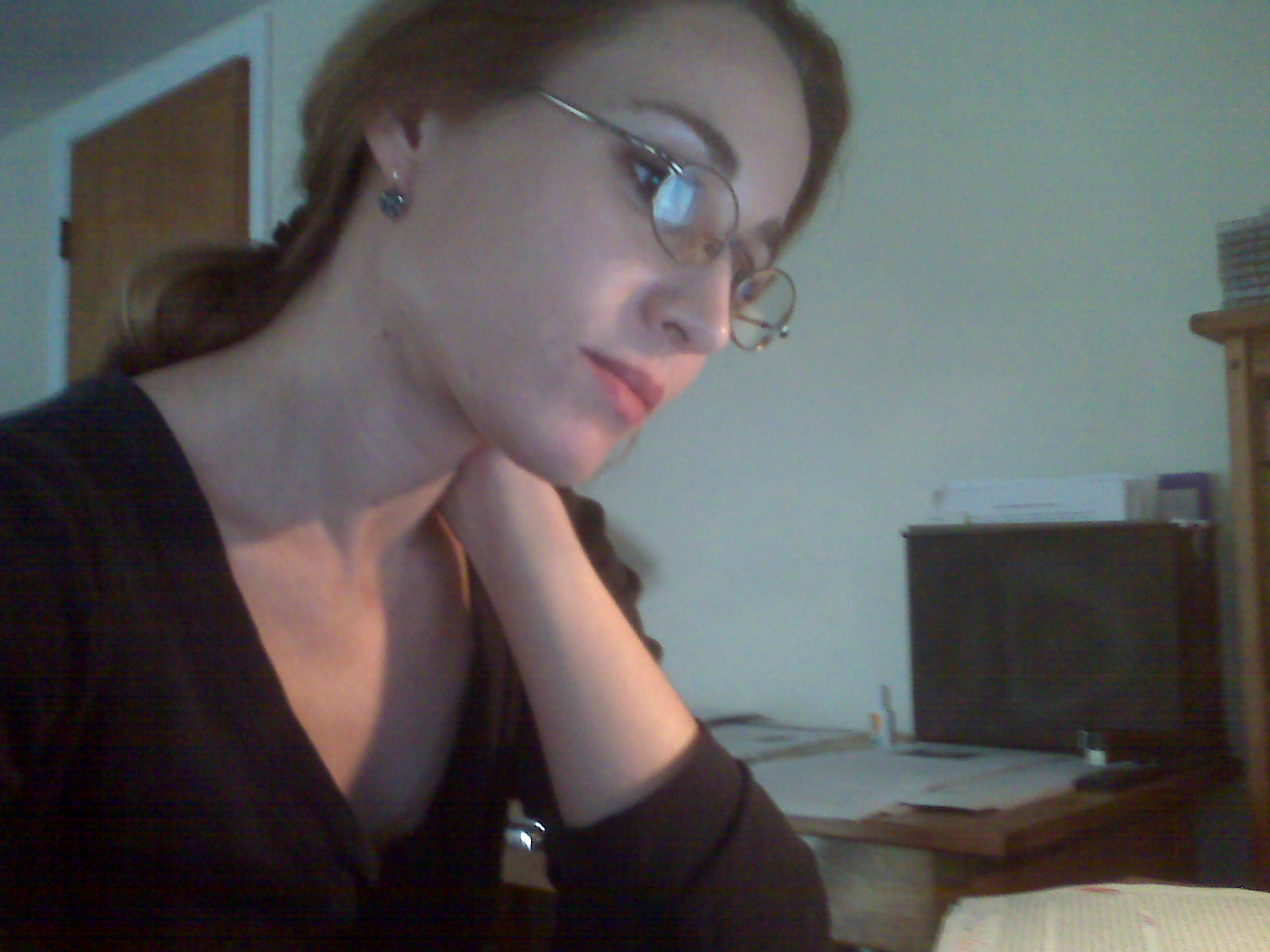
Except of course that Mrs. Moth’s house is surrounded by gardens, and an orchard, and fields. And in case you want to now what Thea looks like, here she is, writing in her Boston apartment:

She looks like Dora, except younger. And like she gets more sleep.)

Posted in Uncategorized | 2 Comments

The Man in the Tree

On the way back to Mrs. Moth’s house, or rather a short detour from it, there is a sort of waste. What I mean by a waste is land that is no good for farming. It’s in the foothills of the mountains, and there are large stones. You can see them sticking out of the ground. Around those stones are the sorts of plants I would call weeds if they weren’t so interesting: milkweeds that let their brown seeds fly on white tufts in the autumn, chickory that would be dusky blue when summer came, canes of blackberries that I had to avoid because I did not want to rip Hyacinth’s jeans. In autumn I would come back with a bucket to pick them for eating and pie. But now there were no seeds on the wind, no flowers, no berries. The crab apple trees, small and gnarled, that grew here and there had buds on them, that was all. (Mrs. Moth makes the best crab apple jam.)

Now there was nothing but earth, brown stems, brown canes with thorns for me to avoid. Buds on the canes that showed where there would eventually be small white flowers. And stones.

I sat on one of the stones. The waste was higher up than the rest of the country, so I could see all around: on one side down to Shadow, on the other down in the direction of Mrs. Moths’ house. I could see all the farms, the neatly plowed earth ready for seeds, the straight hedges. But up on the waste, nothing was straight, nothing was neat. It was all wild and tangled. The wind began to tangle my hair as well.

“Do you like it here?”

He was a pale ghost-version of himself, sitting on the rock beside me. I could see the sky through him.

“I do. I like it a lot. It’s peaceful.”

“Not pretty.”

“It doesn’t need to be pretty. I think I like the places that aren’t pretty best, anyway.”

He was silent for a while, then said, “You seem sad.”

“I am,” I said. “I am sad. I came here because I lost something.”

“What did you lose?” he asked.

“Oh, a friend.” I surreptitiously wiped my eyes. I didn’t want him to see that.

He began to wave his hands, as though he were conducting an invisible symphony. In front of him, in the air, an image formed: a man, eyes closed. With the living tree around him, the layers of bole and bark. He was so pale, as though dead although I knew he was not dead.

“Is that your friend?” he asked. “The one you’re sad about?  I found him in your head.”

“Yes, that’s my friend.” I looked at him, so pleased with himself. And then at the man in the tree, his double down to the slant of the cheekbones.

“What’s his name?”

“That I can’t tell you,” I said.

“Because you don’t know it?” Oh, I knew it. How well I knew it. As well as I knew my own name. “Maybe I can guess. Is it Rumplestiltskin?”

“No.” I smiled, expecting a whole litany of guesses, but that seemed to be the limit of his ingenuity. He was a ghost in more ways than one: ghost of the man, of the intellect.

“Why is your friend sleeping in a tree?” he asked next.

I picked a milkweed pod from the previous autumn that still has some seeds in it. I set them sailing on their white tufts. “He became trapped. He’s been trapped for a long time.” That’s the problem with time travel. You become trapped in the past and live on into the present. It helps to be immortal.

“Why can’t you get him out?”

“He’s the only one who can get himself out. He got himself in, you see.” I’m sure he had very good reasons. He always seemed to have good reasons for what he did. But there he was, in consequence: trapped in the bole of a tree for a thousand years. “He could get himself out if he could just remember who he is. But no one can tell him, he has to discover it for himself.”

“Who is he?” asked the ghost. I reached over, tried to touch his translucent hand, felt only the stone underneath. Not even to be able to touch . . .

“He’s the greatest magician who was ever born. Only he can break his own spell.”

“Oh, I see.” But he didn’t. He never did, never would. He was just a projection, the shallowest recollection of the man in the tree, some charm, some parlor tricks. All I had left of what had once been. I looked at the man who seemed dead but was not. How would he ever get out? How would he ever remember what he was, the power he had? His own name? The magic he wielded?

I blew on the image of the man in the tree and it vanished. As I walked away from the waste, glad to have spent a while even with his ghost, I looked back once: the ghost was still there, sitting on the stone, watching a line of ants. You once moved galaxies, I wanted to tell him.

But what was the use? He would be amused, would not understand. I got back on the bicycle and headed toward Mrs. Moth’s house. It was getting cold, and I knew there was dinner waiting.

Posted in Uncategorized | 3 Comments

What the Cards Said

Next morning, I helped Miss Gray in the garden. We cut away the canes that had died over the winter, leaving the strong canes and fresh new growth. The roses would be splendid in June. I always think the names of roses are like an incantation: Cuisse de Nymphe, Cardinal de Richelieu, Comte de Chambord, Madam Hardy. We also cut back some of the clematis.

Then, I took the bicycle and headed into town. Hyacinth was somewhere or other (“You know, on Mother Night’s business,” said Mrs. Moth), so I borrowed a pair of jeans and a white t-shirt to wear under my cardigan. Miss Gray lent me a jacket.

I rode along, ringing the bell whenever I felt like it until I got into town, and then left the bicycle outside the café. Even in Shadow, there is a café. (The town is called Shadow. The countryside around it is called the Shadowlands. I’m not sure how far the Shadowlands extend. Sometimes I think they are everywhere.)

I had a cappuccino and a biscuit, and then I went to the bookstore and looked at the books.

There, you see? That’s my cappuccino and biscuit. In the bookstore I bought a notebook, because I had not brought one with me, and what is a writer without a notebook? I thought, perhaps later I will write some poetry. About roses, or cappuccino, or something.

When I looked out the window of the bookstore, I saw the sign: Madame Violette, Fortuneteller.

Of course I went over to the store front, looked in to see the necklaces with their astrological signs and saw mine, the swan. (These were astrological signs based on the stars of the Other Country. There are other stars, other constellations there.) There were incense sticks, books on divination and vegetarian cooking, small statues of Mother Night (which did not look much like her). I had not seen the store before; it had not been there the last time I visited the Shadowlands.

I went in. The girl behind the counter (really a girl, only about fifteen, hiding behind her long black hair) said “Can I help you?”

“Is Madame Violette in?” I asked. “I’d like to have my fortune told.”

“In the back,” she said, nodding toward a door at the back of the store, behind a rack of dresses that looked as though they were made of various things: peacock feathers, tree bark, snow. (Just patterns, as I saw when I passed them and put out my hand to feel. But so realistic.)

I opened the door. I had been opening a lot of doors lately: the door to Mrs. Moth’s house, the door to the café, the door to the bookstore, all of which had wonderful things behind them. What would this door have behind it?

A small room, with a round table at the center. It looked perfectly ordinary and pleasant. There were shelves filled with books, and on top of one shelf a brass vase with peacock feathers in it. A woman was sitting at the table. She looked perfectly ordinary and pleasant as well: in a white cotton blouse with a sweater, looking rather like a librarian. She wore spectacles, with a chain to keep them around her neck when she took them off.

“Hello, dear,” she said. “Shuffle the cards.”

There was a deck of cards on the table.

“I’d like my fortune told,” I said. “How much will it cost?”

“Oh, the fortune-telling is free. Of course we hope you’ll buy something in the shop afterward. My daughter will be happy to help you.”

So the girl hiding behind her black hair was Madame Violette’s daughter. They did look somewhat alike, at least around the nose (which was almost all I could see of the girl). It was a sharp nose, and Madame Violette’s spectacles were perched halfway down it.

I sat on one of the chairs and shuffled, then put the deck back on the table.

Madame Violette pulled a card from the top of the deck.

“This is where you are now: the Tree.”

And another.

“This is what you are leaving behind: Night. This is where you are going: the Moon. This is what will help you: the Cat. This is what will hinder you: the Snake. This is what you will need to find: the Book.”

She laid all the cards in front of me. A tree, rather like a oak, growing up to the sky. When I looked closely, I could see a small person climbing through the branches. Really climbing: the picture on the card moved. The Night card, dark although with stars. The Moon card, pale in the daylight but with all the craters articulated. The Cat card, on which the cat was washing itself. It looked like Cordelia. The Snake card, on which the snake looked green and poisonous. It reared back to strike, but of course it could not, being cardboard. The Book card. It was open to a page that started “I opened the door. I had been opening a lot of doors lately . . .”

“And this is your card, the card that represents you: the Singer.”

“Well, that’s ironic,” I said, “since I don’t know how to sing.”

“It’s not that kind of singer,” said Madame Violette.

When I looked closely, I noticed that the singer had red hair. She looked like me, except that she was carrying a harp. And I wouldn’t know what to do with a harp.

“It’s symbolic,” said Madame Violette, as though she had read my thoughts.

“What do they all mean?” I asked.

“I lay out the cards,” she said. “I don’t tell you what they mean. You need to find the meanings for yourself.”

Isn’t that always the way it is? In life. You always have to find the meanings for yourself. Sometimes I hate that.

I did buy something in the store: the necklace with the swan on it. The girl behind the counter gave me change without coming out from behind her hair.

“Thanks,” I said. And then, impulsively, “I’m Thea. I’m staying in town for a while. Well, outside town. With Mrs. Moth.”

She looked at me for a moment, then said, “I’m Violet. We just moved here.”

“Do you like it?” I asked her.

“Not particularly,” she said. And then she looked down and began rearranging the necklaces on the tray.

“Well, I hope you have a good day,” I said. She did not answer, so I took my package and went out into the sunlight. The Tree, Night, the Moon, the Cat, the Snake, the Book, the Singer. I had no idea what they meant. I put the notebook and necklace I had bought into the bicycle basket, bought some bread Mrs. Moth has asked for and a bouquet of daffodils, and headed out of town and back to Mrs. Moth’s house.

Posted in Uncategorized | 2 Comments